Healthy Eating Tips from Vitality Eats
Meal Planning for Success
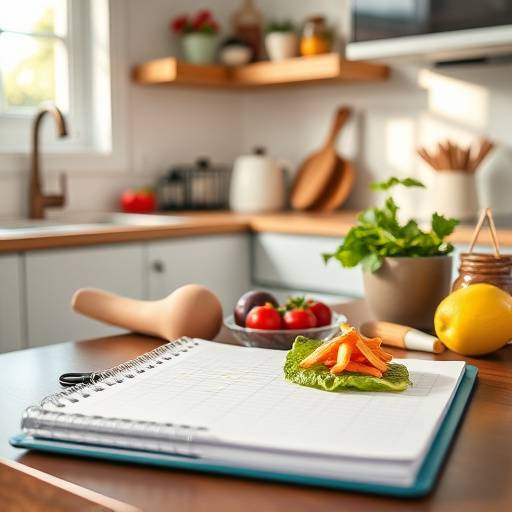
Planning your meals ahead of time is a cornerstone of healthy eating. It not only saves you time during the week but also helps you make better choices when hunger strikes. Consider these meal planning strategies:
- Set aside time: Dedicate 30-60 minutes each week to plan your meals. Sunday evenings are often a good choice.
- Check your pantry: Before planning, take inventory of what you already have to avoid unnecessary purchases.
- Create a menu: Write down your breakfast, lunch, dinner, and snack options for each day of the week.
- Use themes: Theme nights (e.g., "Taco Tuesday" or "Pasta Friday") can simplify the decision-making process.
- Prep ahead: Chop vegetables, cook grains, or portion out snacks in advance to save time during the week.
Maria Rodriguez, our in-house nutritionist, advises, "Effective meal planning is like having a roadmap for your health journey. It empowers you to stay on track and make conscious food choices."
Smart Grocery Shopping
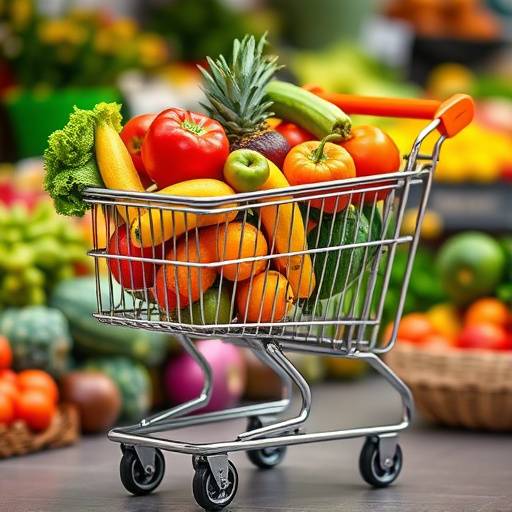
Grocery shopping can either support or sabotage your healthy eating goals. Here's how to shop smarter:
- Make a list: Stick to your meal plan and create a detailed shopping list to avoid impulse buys.
- Shop the perimeter: Focus on the outer aisles of the grocery store, where you'll find fresh produce, dairy, and lean proteins.
- Read labels: Pay attention to serving sizes, calories, and ingredients. Choose products with minimal added sugars, sodium, and unhealthy fats.
- Buy in bulk: Stock up on healthy staples like grains, nuts, and seeds when they're on sale.
- Don't shop hungry: Have a healthy snack before you go to avoid making unhealthy choices due to hunger.
Consider visiting local farmers markets for fresh, seasonal produce. Supporting local farmers is a great way to promote sustainable eating habits.
Mindful Eating Practices
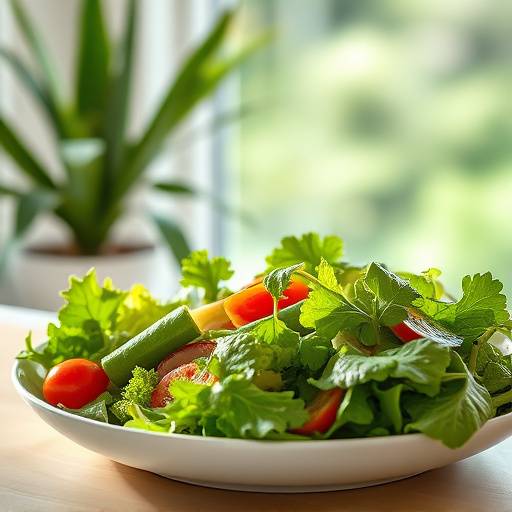
Mindful eating is about paying attention to your food and the eating experience. It can help you enjoy your meals more and prevent overeating.
- Eat slowly: Chew your food thoroughly and savor each bite.
- Eliminate distractions: Turn off the TV, put away your phone, and focus on your meal.
- Pay attention to hunger cues: Eat when you're hungry and stop when you're full.
- Engage your senses: Notice the colors, textures, aromas, and flavors of your food.
- Practice gratitude: Take a moment to appreciate the food you're eating and where it came from.
Dr. Emily Carter, a wellness consultant for Vitality Eats, emphasizes, "Mindful eating is about reconnecting with your body's natural hunger and fullness signals. It's a powerful tool for improving your relationship with food."
Hydration is Key
Staying hydrated is crucial for overall health and well-being. Water helps regulate body temperature, transport nutrients, and remove waste products.
- Carry a water bottle: Keep a reusable water bottle with you throughout the day and refill it regularly.
- Drink water before meals: This can help you feel fuller and prevent overeating.
- Choose water over sugary drinks: Avoid soda, juice, and other sweetened beverages, which are high in calories and low in nutrients.
- Infuse your water: Add slices of lemon, cucumber, or berries to make your water more flavorful.
- Set reminders: Use a phone app or set alarms to remind you to drink water throughout the day.
Aim to drink at least 8 glasses of water per day, or more if you're active or live in a hot climate. Proper hydration can improve energy levels, digestion, and skin health.
Healthy Snacking Strategies
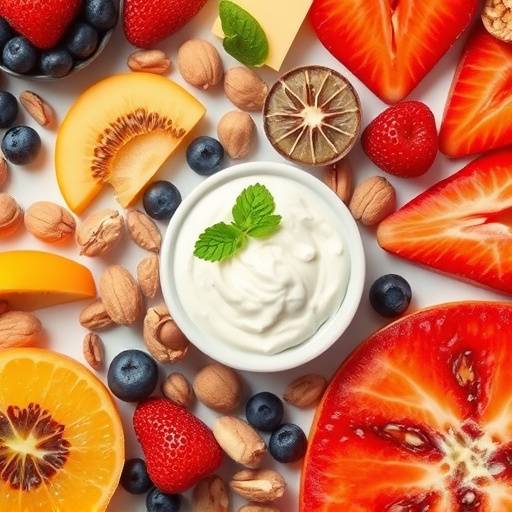
Snacking can be a part of a healthy diet if you choose nutritious options. Avoid processed snacks that are high in sugar, salt, and unhealthy fats.
- Plan your snacks: Pack healthy snacks in advance to avoid making impulsive choices when you're hungry.
- Choose whole foods: Opt for fruits, vegetables, nuts, seeds, and yogurt over processed snacks.
- Combine protein and fiber: This will help you feel fuller for longer.
- Watch portion sizes: Be mindful of how much you're eating.
- Listen to your body: Eat when you're hungry and stop when you're satisfied.
Examples of healthy snacks include an apple with peanut butter, a handful of almonds, Greek yogurt with berries, or carrot sticks with hummus. Having healthy snacks readily available can prevent unhealthy cravings and support your weight management goals.
Prioritize Whole Foods
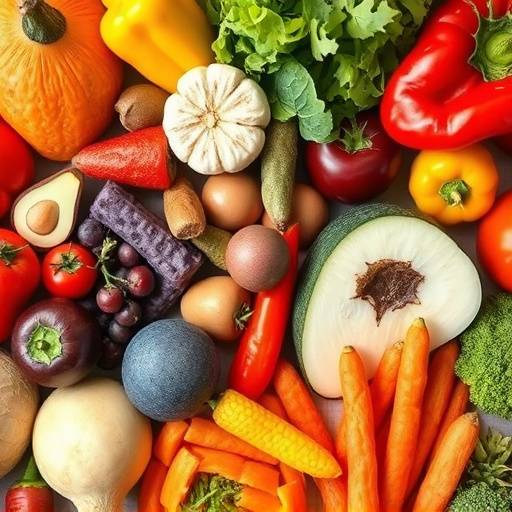
Focus on incorporating whole, unprocessed foods into your diet. These foods are naturally rich in nutrients and fiber, which are essential for good health.
- Eat plenty of fruits and vegetables: Aim for at least five servings per day.
- Choose whole grains over refined grains: Opt for brown rice, quinoa, and whole-wheat bread instead of white rice and white bread.
- Include lean protein sources: Choose chicken, fish, beans, and lentils over processed meats.
- Limit processed foods: Avoid foods that are high in sugar, salt, and unhealthy fats.
- Cook at home: Preparing your own meals allows you to control the ingredients and portion sizes.
Prioritizing whole foods is a fundamental principle of healthy eating. It provides your body with the nutrients it needs to function optimally and reduces your risk of chronic diseases.
Embrace Variety
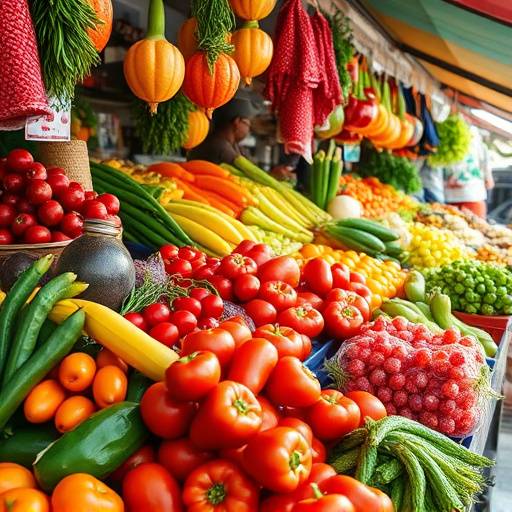
Eating a variety of foods ensures you get a wide range of nutrients. Don't get stuck in a rut with the same meals every week. Try new recipes and experiment with different ingredients.
- Try a new fruit or vegetable each week: This can help you discover new flavors and nutrients.
- Explore different cuisines: Each cuisine offers unique flavors and ingredients.
- Cook with different herbs and spices: This can add flavor and antioxidants to your meals.
- Rotate your protein sources: Don't rely solely on one type of protein.
- Be open to trying new recipes: This can prevent boredom and help you discover new favorites.
Incorporating variety into your diet not only makes eating more enjoyable but also supports optimal health by providing a broad spectrum of vitamins, minerals, and antioxidants.